ENGAGEMENT QUESTIONS
• "As iron sharpens iron, so one person sharpens another." When have you been sharpened by someone within the faith—someone who shares your commitments to following Jesus? And when have you been sharpened by someone outside the faith-someone whose different perspective or questions challenged your assumptions in a helpful way?
• God's own being is relational-Father, Son, Spirit in eternal communion, constantly giving and receiving. We're made in that image of interdependence, not independence. Where in your life are you trying to go it alone when you actually need others? What makes it hard to ask for help or lean into mutual reliance?
• Turning to one another is where we practice listening for wisdom and truth together. How might this practice shape the way we engage with difference and disagreement in the rest of our lives— in our families, workplaces, neighborhoods, society?

ENGAGEMENT
• When has a scripture or story from the Bible met you exactly where you were— speaking directly to your circumstances or questions? What did that experience teach you about how God speaks?
• The world offers us many competing narratives about who we are and what matters. How might the story of God challenge that?
• Reflection asks us to slow down and listen. What makes slowing down difficult for you? What might you be afraid of encountering in the silence or stillness?
ENGAGEMENT QUESTIONS:
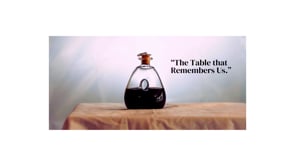
The table doesn't ask if we're worthy; it declares that we're loved. When is it hardest for you to believe that? What makes receiving grace difficult?
What does your body remember about coming to the table week after week? How has God met you there?
How might the practice of receiving bread and cup with open hands shape the way we receive other gifts in our lives-help, forgiveness, love, rest?
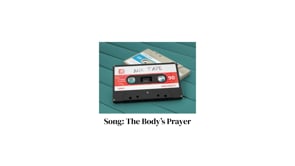
• When have you experienced singing as something more than performance as prayer, as connection, as confession, as coming home to your body? What made that moment different?
• What resistance do you notice in yourself when it comes to singing in community? (Fear of being heard, perfectionism, self-consciousness?) What might that resistance be protecting?
• Colossians says we sing to teach and admonish one another-not just to perform or express ourselves. How does thinking of singing as a way we form each other change the way you experience it?
